
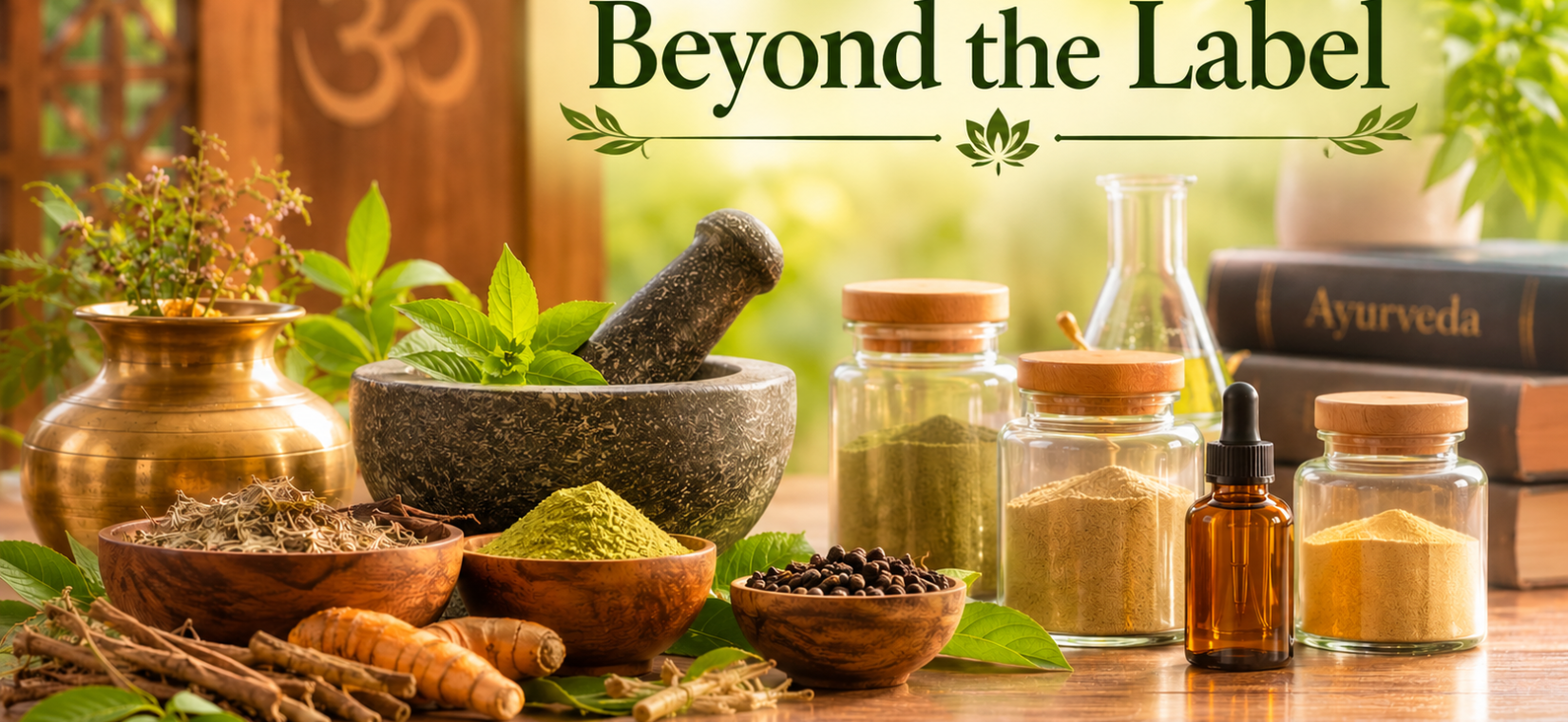
Beyond the Label: Understanding the World of Ayurvedic Products
Ayurvedic products are available in different forms, from familiar herbal powders and tablets to oils, extracts, and traditional preparations. Names such as Ashwagandha, Moringa, Shilajit, and Daruharidra are often encountered in discussions about Ayurveda. However, these names represent different plants or substances, each with its own characteristics and place in Ayurvedic preparations.
Understanding the variety of products available requires some familiarity with their ingredients, preparation methods, and forms. Exploring these aspects can help readers recognise the differences between commonly available Ayurvedic preparations and understand the information associated with them.
1. Understanding the Ingredients Used in Ayurvedic Products
Herbs and other natural substances form an important part of Ayurvedic preparations. Each ingredient has its own botanical identity, characteristics, and traditional background.
Some commonly encountered ingredients include:
- Ashwagandha (Withania somnifera): A well-known Ayurvedic herb traditionally associated with strength and vitality. Its roots are commonly used in herbal preparations.
- Shilajit: A naturally occurring mineral-rich substance found in mountainous regions. It has a distinct place in traditional Ayurvedic practices and is used in different preparations.
- Moringa (Moringa oleifera): A plant valued for its nutritional composition. Its leaves are commonly used in food and herbal preparations.
- Kapikachhu (Mucuna pruriens): Also known as Kaunch Beej, this climbing plant has a history of use in Ayurvedic preparations, particularly those involving its seeds.
- Daruharidra (Berberis aristata): Commonly known as Indian barberry, this plant is recognised in Ayurveda and is used in preparations such as Rasont.
These examples demonstrate the variety of botanical ingredients encountered in Ayurveda. Their plant parts, processing methods, and properties differ, which is why understanding the individual ingredient is an important starting point when exploring a preparation.
2. Different Forms of Ayurvedic Preparations
Ayurvedic products are available in several forms. These forms are influenced by the ingredients used and the methods through which they are prepared. Some commonly encountered terms include:
Churna (Herbal Powder)
Churna refers to a powdered preparation made by processing selected ingredients into a fine or coarse powder. Depending on the product, it may contain a single herbal ingredient or a combination of several ingredients. Amla Churna and Ashwagandha Churna are familiar examples of this category.
Vati (Tablets)
Vati refers to preparations made in tablet or pill form. They may contain one or multiple ingredients, depending on the formulation. This form provides a compact way of presenting a preparation and is commonly encountered in classical Ayurvedic products.
Herbal Extracts
An extract is obtained by processing plant material to separate certain constituents using an extraction method. The resulting preparation can differ from the original powdered plant material in its composition and concentration. The extraction process and details provided by the manufacturer are important when understanding a particular extract.
Taila (Medicated Oil)
Taila refers to oil-based Ayurvedic preparations. These are generally made by processing selected ingredients with an oil base according to a particular preparation method. Different oils have different compositions and traditional applications.
Liquid Preparations
Ayurvedic products may also be available as syrups and other liquid preparations. These can contain herbal ingredients or combinations of ingredients in a liquid base. Their composition, directions, and storage requirements depend on the individual product.
Knowing these terms makes it easier to recognise the type of preparation being discussed when exploring Ayurvedic products.
3. Single-Herb Preparations and Classical Formulations
Ayurvedic products can differ considerably in the number and combination of ingredients they contain.
Some preparations focus on a single herbal ingredient. These are often described by the name of the plant or the ingredient used. For example, an Ashwagandha powder preparation centres on Ashwagandha, while a Moringa product features Moringa as its principal ingredient.
Classical Ayurvedic formulations follow established traditional recipes and may combine several herbs and other ingredients in specific proportions. Their preparation and composition are associated with traditional Ayurvedic texts and practices.
The distinction is useful because a product containing one botanical ingredient has a different composition from a multi-ingredient formulation. Understanding the product category and its listed ingredients helps readers identify what kind of preparation they are exploring.
4. How to Read an Ayurvedic Product Label
A product label provides essential information about its contents, quantity, and recommended handling. The following details are particularly useful when examining an Ayurvedic product:
- Product name: Identifies the preparation and helps distinguish it from similarly named products.
- Ingredients: Lists the herbs and other components included in the preparation. Botanical names can help identify the exact plant.
- Net quantity: Indicates the amount of product supplied, usually expressed in grams, millilitres, or the number of tablets.
- Product form: Specifies whether the preparation is a powder, tablet, extract, oil, or liquid.
- Directions for use: Provides the manufacturer’s instructions for using the product.
- Precautions: Highlights relevant warnings, restrictions, or situations in which professional advice may be necessary.
- Manufacturer details: Identifies the manufacturer or marketer, as applicable.
- Expiry and storage: Provides information about the product’s shelf life and recommended storage conditions.
These details offer a practical starting point for understanding a product and comparing its composition and presentation with other preparations.
5. Getting Familiar with NIDCO Herbal Heritage’s Product Range
NIDCO Herbal Heritage offers Ayurvedic and herbal products across different ingredient categories and preparation forms. A few examples illustrate the variety available within its range.
Nidco Kaunch Tablets
Featuring Kapikachhu (Mucuna pruriens), commonly known as Kaunch Beej, these tablets provide an example of a traditional herbal ingredient presented in tablet form. The plant’s seeds have a recognised place in Ayurvedic preparations.
Pure Rasont (Raswanti)
Pure Rasont is associated with Daruharidra (Berberis aristata), also known as Indian barberry. Available in extract powder form, it represents a processed preparation derived from a recognised Ayurvedic botanical ingredient.
Moringa Tablets
Moringa (Moringa oleifera) is known for its nutritional composition and use in food and herbal preparations. NIDCO’s Moringa Tablets offer this familiar plant in tablet form, providing an example of how a botanical ingredient can be presented as a finished product.
Sarvotribhadra Vati
Sarvotribhadra Vati is a named Ayurvedic tablet preparation. Unlike products identified primarily by a single botanical ingredient, understanding this preparation requires looking at its specific formulation and ingredient list. Its product details provide the appropriate reference for understanding its composition.
These examples represent different ingredients and preparation types within NIDCO’s range. Readers can explore the individual product pages for further information about their composition, quantity, and product-specific instructions.
6. A More Informed Approach to Ayurvedic Products
Familiarity with Ayurvedic ingredients and preparations can make it easier to explore the variety of products available. However, natural origin alone does not establish that a product is suitable for everyone or free from possible interactions.
Traditional use and modern clinical evidence are also different forms of information. A history of traditional use should not automatically be interpreted as proof of a particular medical benefit.
Before using a product, readers should consider its intended use, review the relevant precautions, and seek guidance from a qualified healthcare professional when necessary. People who are pregnant or breastfeeding, taking medication, managing a health condition, or considering a product for a child should obtain appropriate professional advice.
Ayurvedic products should not replace necessary medical care or prescribed treatment without appropriate professional guidance.
Conclusion
The variety of Ayurvedic products reflects the diversity of ingredients and preparation methods found within this traditional system. From individual herbal powders to multi-ingredient formulations, each preparation has its own composition and characteristics.
Becoming familiar with these differences provides a useful foundation for exploring Ayurvedic products. Whether learning about a particular botanical ingredient or discovering a traditional preparation, understanding the product’s composition and form is a meaningful first step.
Disclaimer: Ayurvedic products and herbal preparations may not be suitable for everyone. Readers are advised to consult a qualified Ayurvedic practitioner or healthcare professional before using any Ayurvedic product, particularly if they have an existing health condition, are taking medication, or are pregnant or breastfeeding. This article is not a substitute for professional medical advice, diagnosis, or treatment.
